We have talked at length about principles: applied AI, data sovereignty, local teams, technology that stays in the country.
It is time to move from principles to specifics.
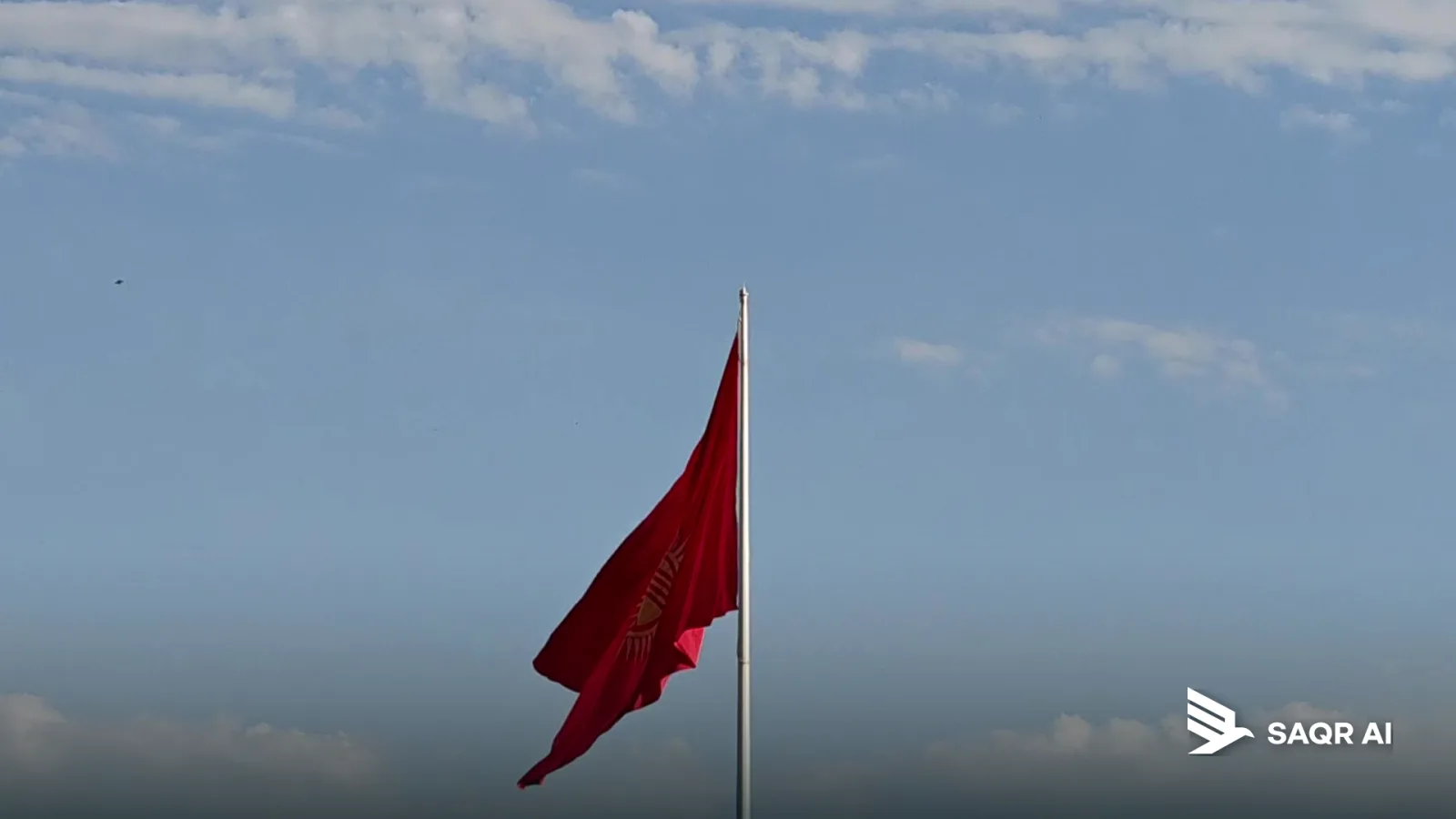
We are a company from Kyrgyzstan. And we are now launching two projects here, each solving a real problem rather than demonstrating capabilities.
First project: medical AI, starting from a private clinic
We are not starting with a presentation at a ministry. We are starting with a working clinic.
A private clinic is the right starting point. Decision cycles are short, the flow of studies is live, and physicians will tell you immediately whether the tool helps or gets in the way.
What we are deploying: a diagnostic model for liver MRI that distinguishes seven conditions, and a radiologist workstation that runs on top of the clinic's existing equipment and archive.
The goal of the first stage is not attractive metrics. It is demonstrated usefulness in real workflow: speed of first-read analysis, quality of reports, reduced routine load on the physician. The physician remains the one who makes the clinical decision. The model works as a second analytical layer.
Then comes the next step, which is the whole point.
Once there is a working site and a verifiable result, the conversation with the state is built on fact, not on a promise. That is when it becomes possible to make this story useful for the country: to give access to expertise where a strong subspecialist is physically absent, and to build a process that works in the regions, not only in the capital clinic.
That order matters: the clinic first, scale after.
Second project: computer vision for border monitoring
The second task is from a different field, but follows the same logic.
A significant part of the Kyrgyz border runs through hard-to-reach mountainous terrain. Places where a permanent post is physically impossible, and where human oversight is objectively limited by the landscape, weather and distance.
We are deploying a monitoring system based on computer vision: autonomous devices that operate on site, analyze what is happening locally, and transmit an event, not a stream of video.
The problems such a system addresses:
illegal border crossing;
poaching;
drug trafficking;
smuggling and the illegal movement of goods across the border.
The key principle is the same as in medicine: processing on site. The device does not depend on a fat communications channel, does not send raw video outside, and works in conditions where infrastructure does not exist. The operator does not receive thousands of hours of footage that no one watches. The operator receives a specific event, with a time and a place attached.
For a country with this geography, that is not a matter of technological fashion. It is a matter of governability of the territory.
Why we are doing this here
Because we are from here.
Technology of this class usually enters a country as an imported service: the equipment belongs to someone else, the data goes outside, expertise stays with the supplier, and once the contract ends, nothing remains.
We build differently. The model is deployed inside a local perimeter. The data stays in the country. The technical team is trained on site.
That is the difference between buying a technology and gaining a capability.
What is next
Two projects, two different sectors, one approach: start on a real site, get a verifiable result, then scale.
We will report the work honestly, including the parts that turn out harder than planned.